Robert M. Hilberts, Inc.
Air Handling Equipment ▪ Grilles ▪ Registers ▪ Diffusers ▪ Fans ▪ Heating ▪ Cooling

Improve HVAC efficiency by maintaining consistent, comfortable temperatures where occupants actually live and work.
Ready to improve comfort, reduce energy costs, and maximize HVAC efficiency in your facility? The team at Hilberts is here to help.
Contact us today to learn how our destratification solutions can be tailored to your building and start delivering results right away.
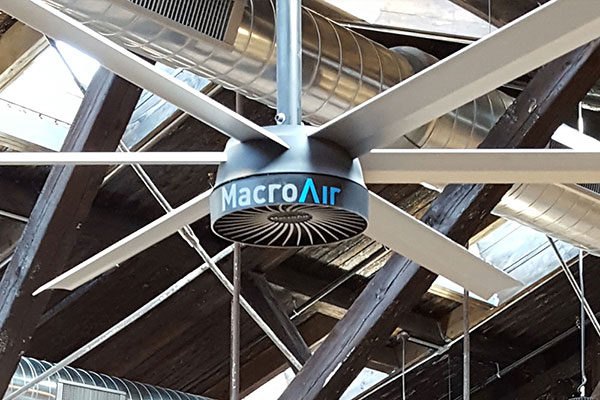
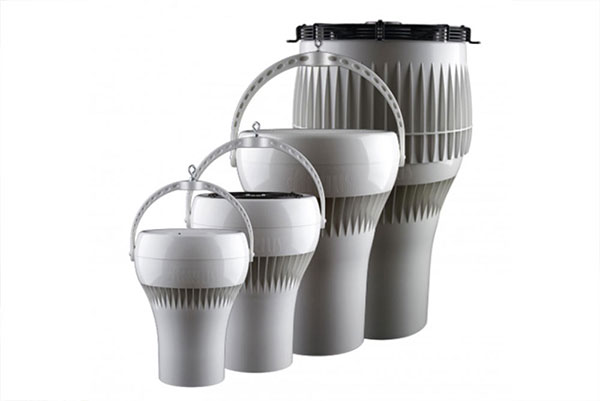
Take control of your building’s comfort and energy efficiency with industry-leading destratification technology from MacroAir and Airius. Whether you need powerful, large-scale air movement or precise floor-to-ceiling air mixing, these innovative solutions are designed to eliminate temperature imbalances, reduce energy costs, and improve the overall performance of your HVAC system. Explore the options below to find the right fit for your facility.
Destratification is the process of eliminating temperature layers within a building by redistributing warm air that rises to the ceiling back down to the occupied level. Using specialized fans or air movement systems, it creates a more consistent temperature throughout the space, improving comfort and reducing energy waste.
Destratification can significantly reduce heating and cooling costs by allowing HVAC systems to run more efficiently. Many buildings see energy savings ranging from 20 to 50 percent, depending on ceiling height, insulation, and current airflow conditions.
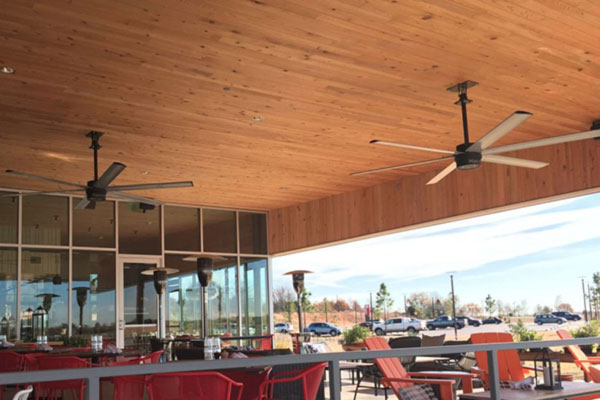
While traditionally used in warehouses and manufacturing facilities, destratification is now highly effective in retail stores, gyms, auto dealerships, restaurants, airplane hangars, and large open commercial spaces. Any building with high ceilings or uneven temperatures can benefit.
Yes, destratification improves efficiency year round. In the winter, it pushes trapped warm air down to reduce heating demand. In the summer, it helps circulate conditioned air more evenly, reducing hot spots and easing the load on cooling systems.
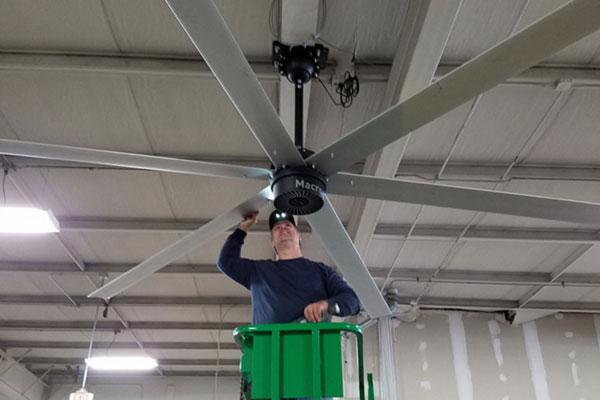
HVLS fans move large volumes of air at low speeds and are ideal for large open areas, while air rotation systems and destratification fans are designed to continuously mix air throughout the space. The best solution depends on the building layout and performance goals.
The right system depends on factors like ceiling height, square footage, usage, and existing HVAC design. Working with an experienced provider like Hilberts ensures you get a tailored solution that maximizes comfort, efficiency, and long term performance.